Speaker Abbas mourns foremost businessman, politician, Bamanga Tukur
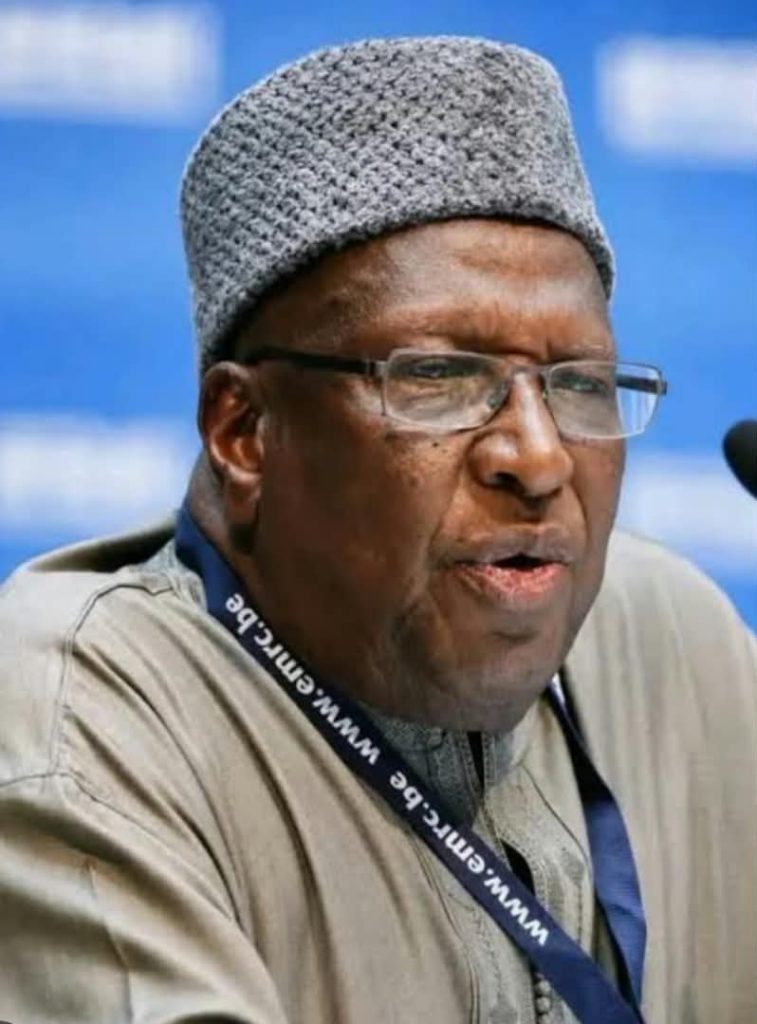
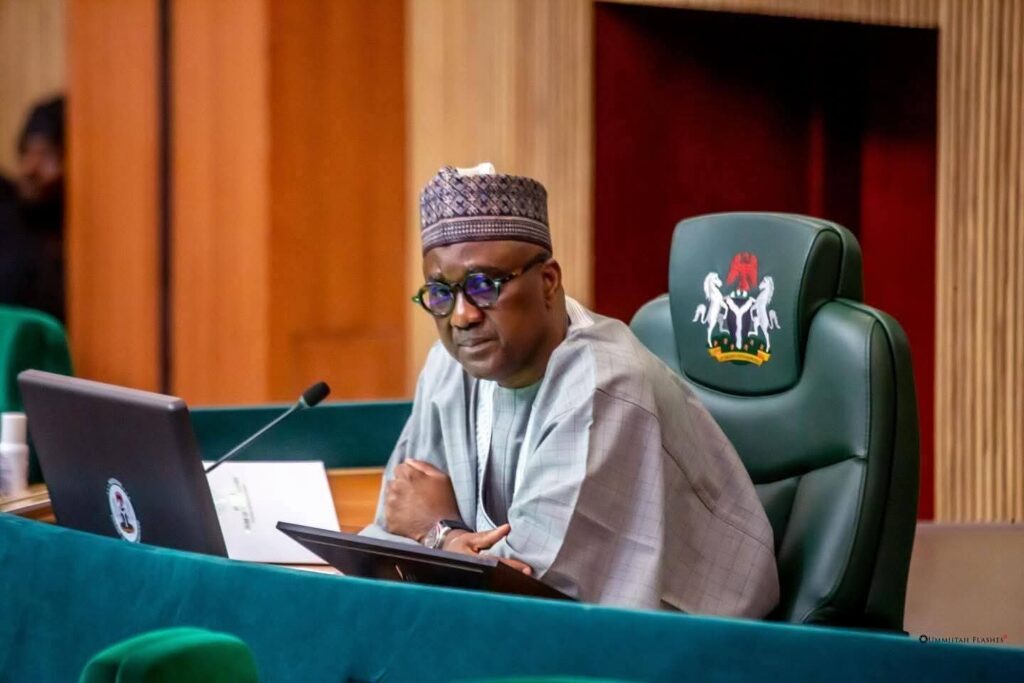
The Speaker of the House of Representatives Rt. Hon. Abbas Tajudeen, Ph.D., GCON, has expressed sadness over the passing of a former governor of the defunct Gongola State (now Adamawa and Taraba States), Alhaji Bamanga Muhammad Tukur.
Alhaji Bamanga Tukur, who passed away on Saturday—three days to his 91st birthday—was a successful businessman, elder statesman, and one of the foremost politicians in Nigeria from the North.
Speaker Abbas, in a condolence message issued through his Special Adviser on Media and Publicity, Musa Abdullahi Krishi, described Bamanga Tukur’s demise as a huge loss to the business and political communities, noting that the deceased was an elder statesman whose marks will remain indelible in the country’s history.
The Speaker said apart from Bamanga Tukur’s exemplary foray in public administration, governance, industry, politics, and pan-African business leadership, he was also a devoted Muslim who propagated Islam and blessed humanity with his wealth.
He added that Tukur, as national chairman of the Peoples Democratic Party (PDP), contributed immensely to the improvement of Nigerian democracy and standard political practices.
Speaker Abbas condoled Bamanga Tukur’s family, members of his community, business and political associates, as well as the government and the people of Adamawa (his home state) and Taraba States.
The Speaker prayed to Allah (SWT) to forgive Alhaji Bamanga Tukur his mistakes and grant him Jannatul Firdausi.
Nigeria must punish drug pushers—Speaker Abbas … says abuse is a menace to society
The Speaker of the House of Representatives Rt. Hon. Abbas Tajudeen, Ph.D., GCON, has said Nigeria must punish drug pushers to have a better society, saying the abuse is a menace to society.
“We must punish those who profit from drugs. We must also treat those who have become trapped by them. The dealer needs the law. The dependent person needs care,” he said, adding that, “The government is present. The law is active. The public must also participate.”
Speaker Abbas stated this on Saturday at the close of a three-day sensitisation programme against drug abuse and domestic violence held in Kaduna. The programme, which is part of the Speaker’s constituency outreach, was organised in collaboration with the National Orientation Agency (NOA).
He said, “Parents must watch for sudden changes in conduct. Schools must provide counseling and report warning signs. Pharmacists and medicine vendors must reject the unlawful sale of controlled substances.
“Traditional and religious leaders must reject silence around addiction and abuse. Neighbours must report violence. Market and transport unions must report suspicious movement of drugs. Young people must reject pressure and seek help when needed.
“Victims should seek safety, obtain medical care, preserve evidence, and report abuse. Communities must protect them, not punish them with blame or shame.”
Speaker Abbas recalled the last edition of the programme in February 2025, which heralded a four-month campaign across the North-West. “We promised to take the message beyond conference halls. We promised to engage traditional rulers, religious leaders, teachers, parents, young people, and community organisations,” he said.
He noted that Saturday’s edition of the programme showed that “we have kept that promise.”
The Speaker said NOA has taken the campaign into Kaduna’s streets and communities, while its officers are engaging market leaders, transport workers, youth groups, and traditional institutions “because prevention begins with proper information.”
While commending the Director General of NOA, Lanre Issa Onilu, and his team, Speaker Abbas equally appreciated the National Drug Law Enforcement Agency (NDLEA), Nigeria Police Force (NPF), Nigeria Immigration Service (NIS), Federal Road Safety Corps (FRSC), Nigerian Correctional Service (NCoS), National Youth Service Corps (NYSC), and the state agencies.
He said, “Drugs can impair judgement, increase aggression, and deepen poverty. But drugs never excuse violence. Every person remains responsible for his or her actions. Domestic violence is not discipline or culture. It is abuse. It harms the victim, frightens children, and weakens the community.
“The damage caused by drugs does not stop at the family door. It spreads into our streets, schools, markets, and security system. Drug trafficking gives criminal networks money. The same hidden routes can carry drugs, illegal weapons, criminal funds, and violent offenders. Drugs do not explain every crime, but they are part of Nigeria’s wider security challenge.”
The Speaker stated that “every shipment stopped can deny criminals money for weapons and recruitment,” stressing that “every person rescued from addiction is one less person exposed to violent groups.”
Speaker Abbas explained further that drug control is part of the fight against banditry and kidnapping in the North-West. “Security forces may clear the camps. Communities must help cut the supply lines,” he said, adding that, “Enforcement stops the shipment. Education reduces the demand. Treatment restores the individual. Community vigilance protects the neighbourhood.”
Speaker Abbas commended President Bola Ahmed Tinubu, GCFR, for retaining Brigadier General Mohammed Buba Marwa (rtd.) as Director-General of the NDLEA and supporting enforcement, international cooperation, public education and treatment, including a new 50-bed rehabilitation centre in Maiduguri.
He said, “The National Assembly has consistently played its part. In 2024, the House called for a preventive drug testing programme in secondary schools and directed NOA and NDLEA to expand student awareness.
“The House also moved against the indiscriminate sale of prescription medicines. We called for illegal outlets to close and for stronger joint enforcement by the responsible agencies.
“We have considered bills to strengthen the NDLEA Act. In 2025, the House called for faster investigation and prosecution of femicide, homicide, and related violence. We will continue to fund enforcement and treatment, close gaps in the law, and demand results through oversight.”
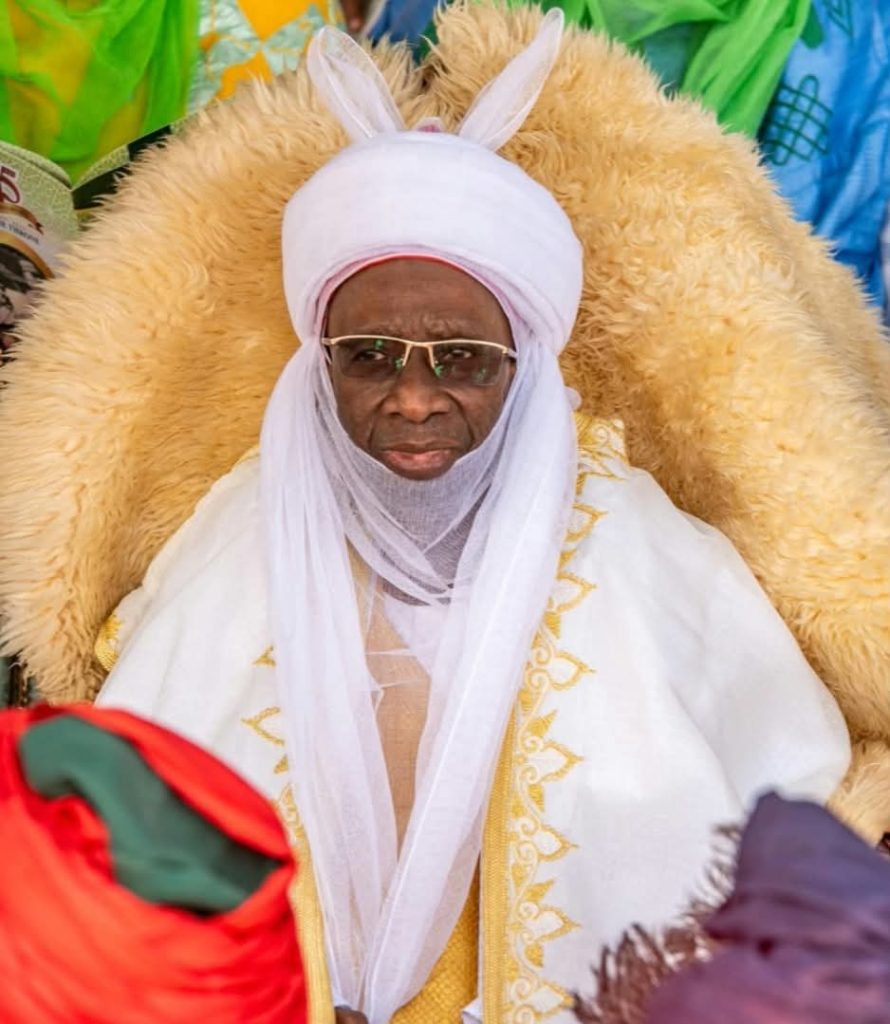
The Speaker of the House of Representatives Rt. Hon. Abbas Tajudeen, Ph.D., GCON, has expressed sadness over the demise of the Emir of Gumel, His Royal Highness, Alhaji (Dr.) Ahmed Muhammad Sani II, CON, describing it as a painful loss.
The emir reportedly died in Cairo, Egypt, on Thursday after spending 46 years as the Emir of Gumel.
Speaker Abbas, in his condolence message issued through his Special Adviser on Media and Publicity, Musa Abdullahi Krishi, described the monarch as a foremost traditional and religious leader who worshipped Allah (SWT) diligently and led the people with purpose.
He added that the Emir’s 46-year reign over the Gumel Emirate, which he noted to be one of Nigeria’s longest-serving monarchs, was characterised by peace, unity, and prosperity for the people.
The Speaker commiserated with the family of the emir and the Gumel Emirate Council while extending his condolences to the people and the government of Jigawa State. He also prayed to Allah (SWT) to grant the Emir Jannatul Firdaus.
senator Shettima a dedicated public servant, Speaker Abbas hails VP at 60
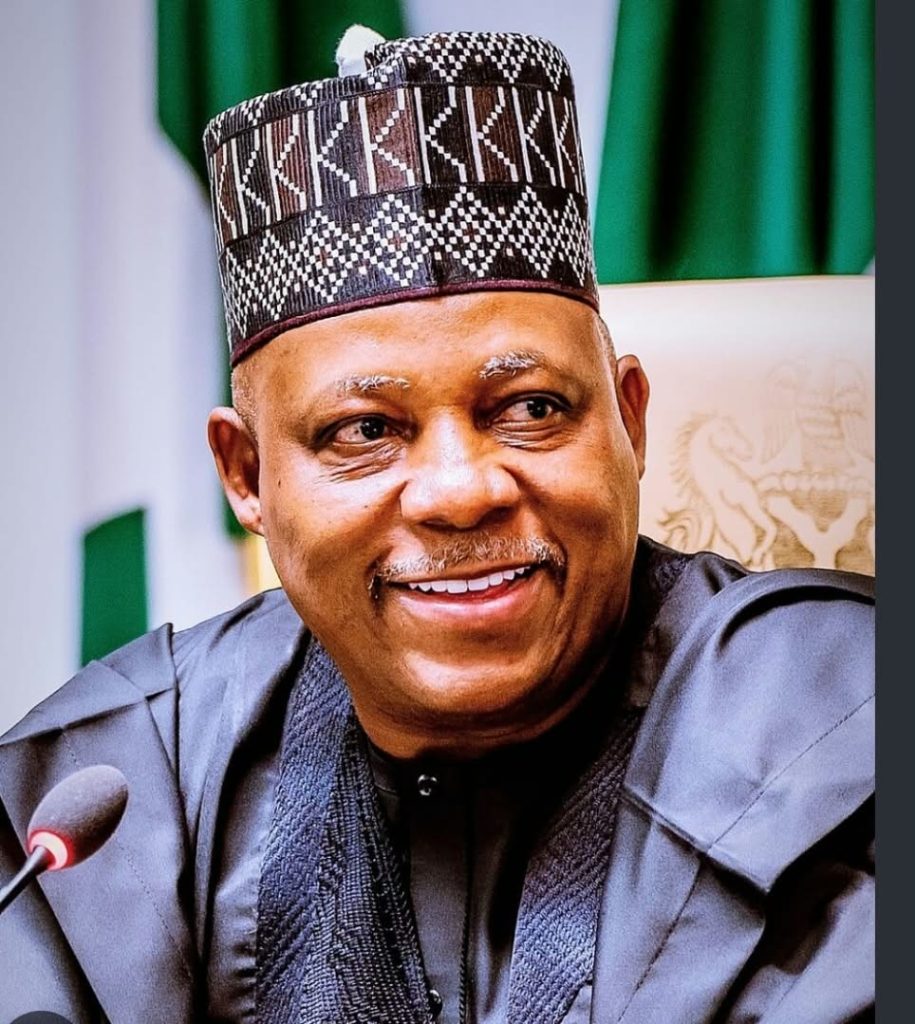
The Speaker of the House of Representatives, Rt. Hon. Abbas Tajudeen, Ph.D., GCON, has extended his congratulations to the Vice President, Senator Kashim Shettima, GCON, on the occasion of his Diamond Jubilee, praising the VP’s steadfast commitment to democracy and devoted public service.
Speaker Abbas, in a congratulatory message issued through his Special Adviser on Media and Publicity, Musa Abdullahi Krishi, described Senator Shettima as a reliable ally to President Bola Ahmed Tinubu, GCFR, praising his loyalty as exemplary and worthy of emulation.
The Speaker eulogized VP Shettima as a leader of exceptional qualities, emphasizing that Senator Shettima continues to be one of the most patriotic Nigerians alive.
He lauded the Vice President’s invaluable contributions to President Bola Ahmed Tinubu’s administration, noting that his past achievements have significantly supported his performance as vice president.
Speaker Abbas highlighted Senator Shettima’s tenure as governor of Borno State and his service in the Senate, among other public roles he held before becoming vice president, describing him as one of the most experienced public servants in government today.
The Speaker stated that with Senator Shettima returning as President Tinubu’s running mate in the 2027 presidential election, the ruling All Progressives Congress (APC) ticket is a winning one.
Speaker Abbas prayed to Allah (SWT) to grant Senator Shettima mercy, grace, longevity, and good health so he can continue contributing value to the Tinubu administration and the nation as a whole.
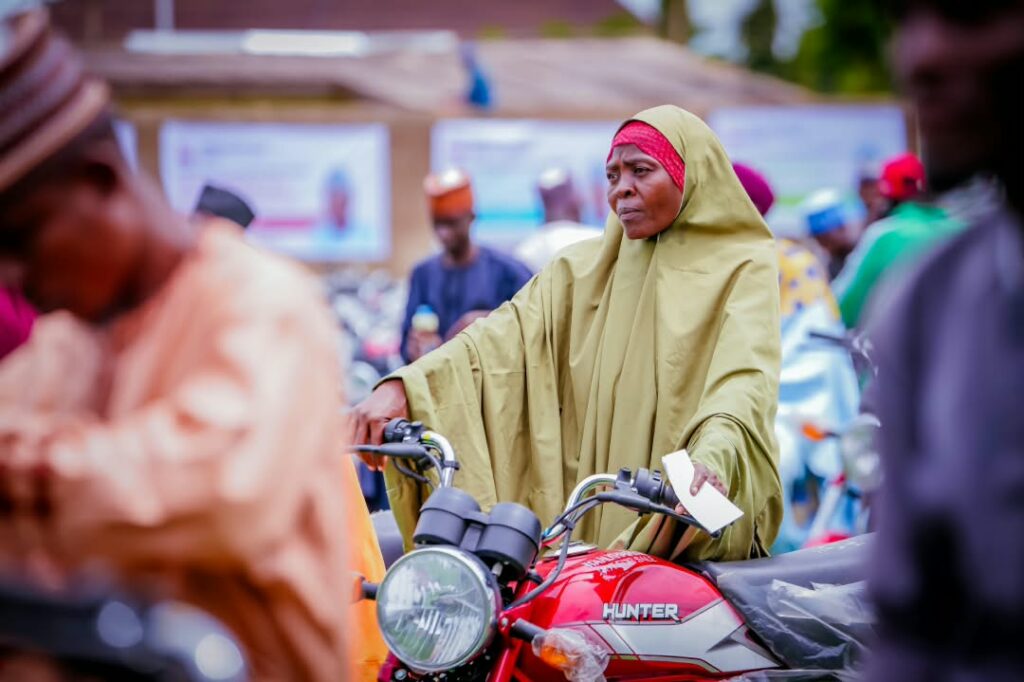
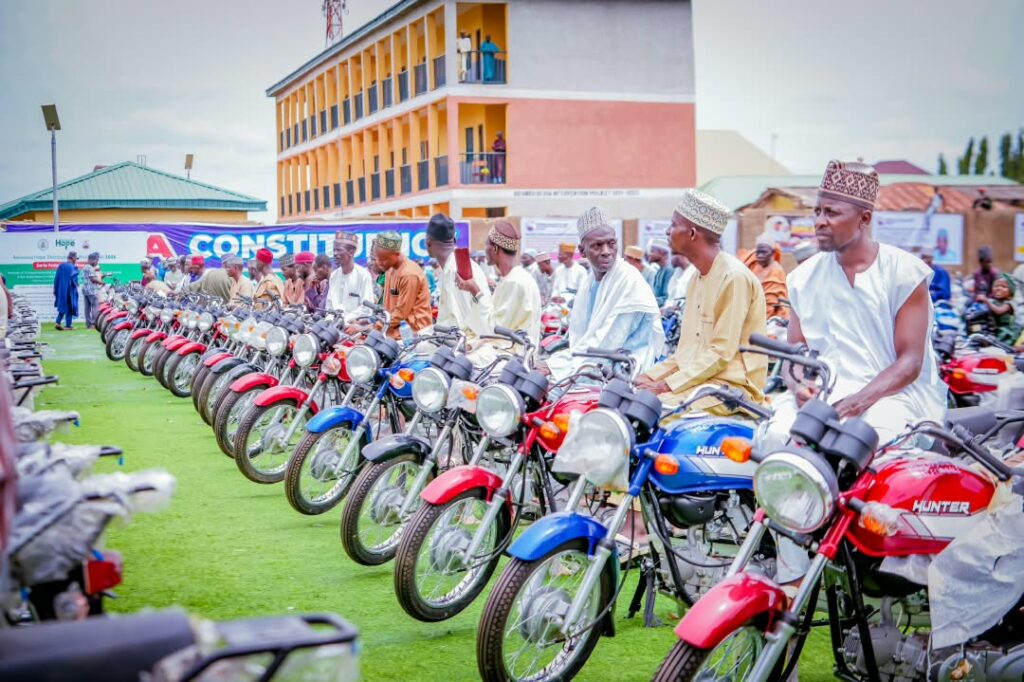
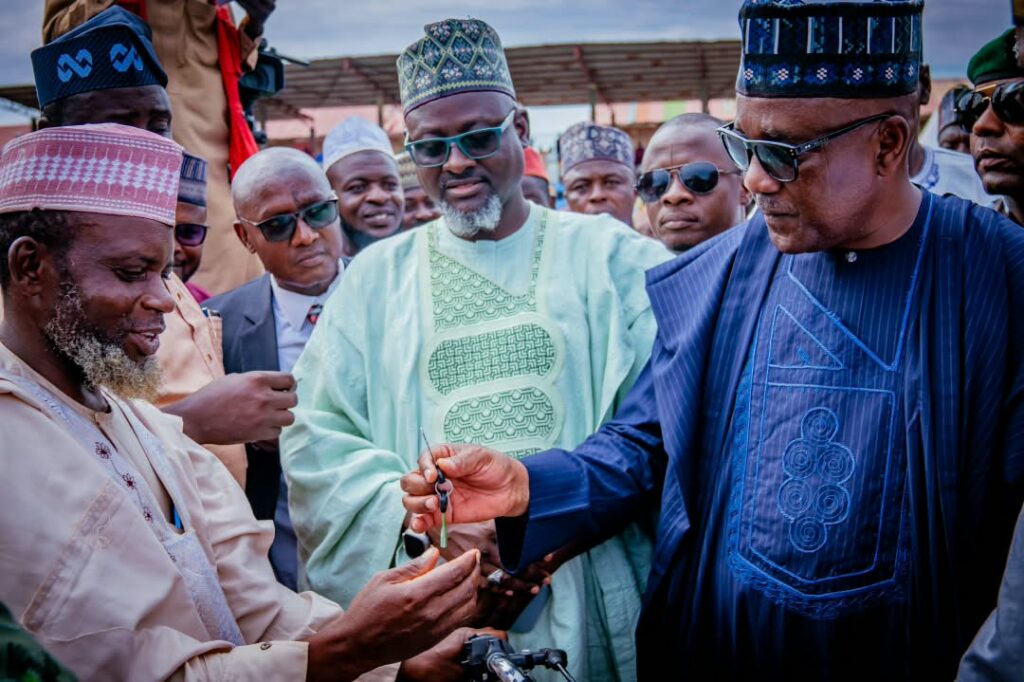
Speaker Abbas empowers Zaria teachers with motorcycles, seeks punctuality, easy transport
…says education policy must prioritise teachers’ welfare
The Speaker of the House of Representatives Rt. Hon. Abbas Tajudeen, Ph.D., GCON, has called for prioritisation of the welfare of teachers, saying their well-being should be part of education policy.
“We must therefore treat teacher welfare as part of education policy, not as an afterthought,” Speaker Abbas stated in his address as he empowered teachers in Zaria Federal Constituency of Kaduna State with motorcycles on Saturday.
The Speaker recalled his days as a teacher, noting the sacrifices that teachers make to impart knowledge on students. Since assuming office as Speaker, Rt. Hon. Abbas Tajudeen empowered over 3,000 teachers in Zaria Federal Constituency.
He said, “The first lesson of the school day often begins before the teacher reaches the classroom. It begins when the teacher wakes early, prepares the day’s lessons, and starts the journey to school. For many teachers, that journey involves long distances, several vehicles, rising transport fares, and roads that become difficult during the rainy season.
“A teacher may arrive ready to teach but already tired from trying to get there. That is the practical problem we are addressing this afternoon.
“The motorcycles before us are not ceremonial gifts. They are working tools. They will help teachers reach their schools earlier, travel more safely, and spend less on daily transport.”
While noting that the “targeted support” provides a fairer answer, the Speaker said the motorcycles reduce transport costs directly for teachers who need help, adding that the intervention reaches the intended beneficiaries without subsidising those who consume the most fuel.
He said, “A motorcycle cannot teach a child, but it can bring the teacher who can. I understand the daily life of a teacher because I began my own career in the classroom. Between 1981 and 1988, I taught in primary schools under the Zaria Local Government Education Department.
“I remember the preparation before each lesson. I remember the responsibility of standing before young minds. I also remember that a teacher’s work does not end when the school bell rings.
“Teachers prepare lessons at home. They mark books after school. They guide children who are struggling. They speak with concerned parents. They often spend their own money on materials that the classroom needs.
“We must therefore treat teacher welfare as part of education policy, not as an afterthought.”Speaker Abbas pointed out that Nigeria urgently needs more trained teachers, with the northern states having “some of the lowest teacher-to-pupil ratios.”
While stating that buildings, books, and technology matter, the Speaker emphasised that “a child learns through the steady presence of a capable and committed teacher,” stressing that “that is why teacher mobility matters.”
He added, “When a teacher arrives on time, lessons begin on time. When a teacher attends school regularly, pupils develop better habits. When teachers can reach distant schools, rural children gain a fairer chance to learn.
“A teacher who saves money on transport can use that money for food, family needs, or professional development. A teacher who saves an hour on the road gains more time to prepare, teach, and rest.
“This intervention therefore supports mobility, morale and better classroom management. It also forms part of a wider programme.”
Speaker Abbas recalled how the earlier rounds of his constituency interventions provided motorcycles to primary and secondary school teachers across Zaria Federal Constituency. “During the 2026 Democracy Day programme alone, we presented 1,000 motorcycles to teachers,” he said.
The Speaker also said his representation had also improved school facilities, supported students, and invested in vocational and digital learning. “Today, we are focusing directly on the men and women who turn every educational investment into actual learning,” he said.
Speaker Abbas added, “The structure may be new. The textbook may be current. The computer may be fast. Yet none of them can recognise the confusion on a child’s face. None can offer encouragement after a wrong answer. None can discover the talent hidden behind a quiet voice. Only a teacher can do that.
“President Bola Ahmed Tinubu, GCFR, has placed teacher development and support within his national education reforms. His administration’s education programme provides for better teacher data, digital training, and continuous professional development.
“The Federal Government has also introduced the HOPE Education programme to improve foundational learning and strengthen support for teachers. Here in Zaria, the elevation of the Federal College of Education to the Federal University of Education provides another concrete investment in training better teachers.
“These steps recognise a simple truth. We cannot improve learning without improving the conditions under which teachers work.”
The Speaker noted that the House shares that commitment, while the Legislative Agenda gives special attention to human capacity, instructional materials, and the quality of secondary education. He said through appropriation and oversight, the parliament will continue to demand that money approved for education reaches schools, teachers and pupils.
He stated, “A policy document in Abuja cannot teach a class in Zaria. The policy must produce training, tools, and tangible support where teachers work.”
2027: Speaker Abbas tasks Nigerians to assess candidates by actions, past records, not rhetorics
The Speaker of the House of Representatives Rt. Hon. Abbas Tajudeen, Ph.D., GCON, has urged Nigerians to vote for political parties and their candidates in the 2027 general elections based on their actions and past records, not rhetorics.
Speaker Abbas noted that members of the opposition who have declared themselves as alternatives to President Bola Ahmed Tinubu, GCFR, had been in power before, and Nigerians can see what they did when they held various public offices.
The Speaker stated this in his goodwill message at the maiden graduation ceremony for 4,050 youths at the Kaduna State Institute of Vocational Training and Skills Development, Balarabe Musa Institute, Rigachikun, Kaduna, on Thursday.
He said, “Let me speak briefly about politics. I am a politician, and this season demands honesty. In 2027, the people of Kaduna will face a clear choice: to keep moving forward or to return to the past. Before then, the political noise will grow louder. Parties will adopt new logos, politicians will wear new colours, and familiar faces will return with fresh promises. But a change of costume does not create a change of character.
“So, when they come to you with new stories and promises, listen to what they say, but look closely at what they have done. Anyone asking for your trust must first answer for their record. How did they manage public funds? What did they achieve in office? Did they remain true to their principles, or did their principles change whenever power changed hands? As our elders say, no matter how long a lie travels, the truth will eventually catch up with it.”
He added, “Some of those presenting themselves as the alternative have been in power before. So, judge them by their record, not their rhetoric. What did they inherit? What did they spend? What did they build? What did they leave behind? Public office is not a magic show. The people have a right to know where their money went.
“Apply the same standard at the national level. Those who criticise current reforms should explain what they did when they had the authority to act.
“When any politician comes to your ward, do not be distracted by slogans and symbols. Ask for evidence. Ask what they built, whom they trained and which lives they improved. Promises sound good, but only action builds classrooms, clinics, and workshops.”
While noting that the graduation ceremony is “a clear proof that public investment can change lives,” the Speaker said the 4,050 graduands “are not promises for tomorrow or figures hidden in a budget,” adding that “they are young men and women equipped today with recognised qualifications, practical skills, and the confidence to build better lives.”
Speaker Abbas stressed, “People of Kaduna must, therefore, judge every candidate by what they have done, not only by what they promise. Look at their character, examine their record, and ask whose lives they have improved. Good leadership does not need a long explanation. The results will speak for themselves.
“From Zaria to Zangon Kataf, from Birnin Gwari to Jaba, and from Kafanchan to Kudan, let one message travel across our state: Kaduna is making progress under APC and under Governor Uba Sani. Nigeria is making progress under the APC and under President Bola Ahmed Tinubu.
“It is our solemn duty and responsibility to sustain this progress. The darkest hour comes just before dawn. Do not abandon the journey when the destination is already in sight. A farmer who abandons the field at harvest time leaves the reward of his labour for others.”
Speaker Abbas emphasised that the ceremony “is the practical expression and realisation of President Bola Ahmed Tinubu’s Renewed Hope Agenda,” stating that reform earns public confidence when its benefits reach the daily lives of ordinary people. He noted that for 4,050 families across Kaduna, that promise has become a reality they can see and feel.
While noting that the National Assembly has helped create the conditions for achievements such as this, the Speaker said the federal parliament has approved budgets that give young people the priority they deserve. “We have enacted laws that broaden access to student funding, including for those pursuing technical and vocational education. We have reduced the tax burden on small businesses and strengthened oversight to ensure that public funds produce visible results,” he said.
In the House of Representatives, Speaker Abbas said the lawmakers placed human capital, jobs, and security at the centre of their Legislative Agenda, “and we have remained focused on those priorities.”
He added, “In my capacity as Speaker of the House of Representatives and member representing Zaria Federal Constituency, I have made the development of our young people a personal priority. Through constituency interventions, we have expanded access to education, improved learning environments, supported students, and strengthened technical and vocational training. We have promoted digital skills, entrepreneurship and practical learning, while helping young people gain the tools and confidence to create opportunities for themselves and others.
“This commitment extends beyond Zaria, across the North West and throughout Nigeria. Our goal is clear: to convert population into productivity, potential into proficiency and ambition into achievement.”
In his address, Governor of Kaduna State, Senator Uba Sani, CON, appreciated President Tinubu for “his extraordinary affection for Kaduna State and his steadfast support for our administration.”
He said, “Mr. President’s commissioning of these institutes in June 2025 was more than the inauguration of physical facilities. It was an affirmation of the Federal Government’s belief in Kaduna’s young people and our determination to transform their potential into productive power. His administration has consistently supported Kaduna in critical areas, including security, agriculture and agribusiness, transportation, health, education, and infrastructure.
“The Federal Government’s support for the Kaduna Light Rail project, our agricultural and agro-industrial initiatives, investments in healthcare and education, and broader infrastructure development all testify to a partnership that has strengthened our capacity to deliver for our people.
“I must say this without equivocation: under President Tinubu, the sub-nationals have been given wings to fly. The policy support, institutional collaboration, and partnership available to the states have enabled us to pursue our development agenda with greater confidence and ambition. To a very significant degree, the achievements of our administration are attributable to the unwavering backing and support of Mr. President. We remain profoundly grateful.”
Governor Sani also announced the approval of a grant of ₦200,000 for each of the 4,050 graduates, representing a total commitment of ₦810 million, to be administered through the Kaduna State Enterprise Development Agency.
“This support is intended to ease the transition from training to productive work; through the purchase of essential tools, initial working capital, shared workspace, professional registration or transportation to employment opportunities,” he said.
The governor, however, stated that the grant does not replace his administration’s job-placement drive, saying, “We are engaging companies and industries to create opportunities for direct employment, apprenticeships, internships, mentorship, subcontracting, and other structured engagements.”
He added, “We are also developing a digital platform to connect graduates with employers and track employment outcomes. Our measure of success will ultimately go beyond enrollment and graduation figures; it will be the number of graduates employed, enterprises created, incomes improved, contracts secured, and communities transformed.”
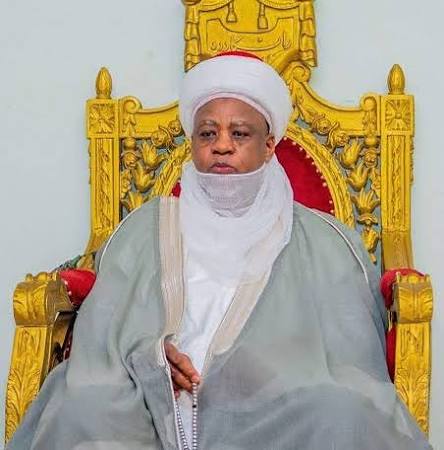
The Speaker of the House of Representatives, Rt. Hon. Abbas Tajudeen, Ph.D., GCON, has extended his felicitations to the Sultan of Sokoto, Alhaji Muhammadu Sa’ad Abubakar, on the occasion of his 70th birthday.
Speaker Abbas stated that the Sultan, serving as the spiritual leader of Nigeria’s Muslims in his roles as President-General of the Nigerian Supreme Council for Islamic Affairs (NSCIA) and head of Jama’atu Nasril Islam (JNI), stands as a symbol of leadership, unity, and patriotism.
The Speaker commended the revered Muslim leader for leveraging his leadership to foster peace and stability among Nigerians across religious, ethnic, and political divides.
The Speaker highlighted how the Sultan has consistently offered wise counsel to the political class and has never hesitated to speak truth to power when needed.
While praising Sultan Abubakar for being an inspiration to many kings and princes, Speaker Abbas said the Muslim leader’s style is worthy of emulation by all who desire purposeful leadership.
The Speaker prayed to Almighty Allah (SWT) to grant the Sultan more grace, blessings, longevity, and sound health as he continues to guide Muslims in Nigeria towards service and worship of the Creator.
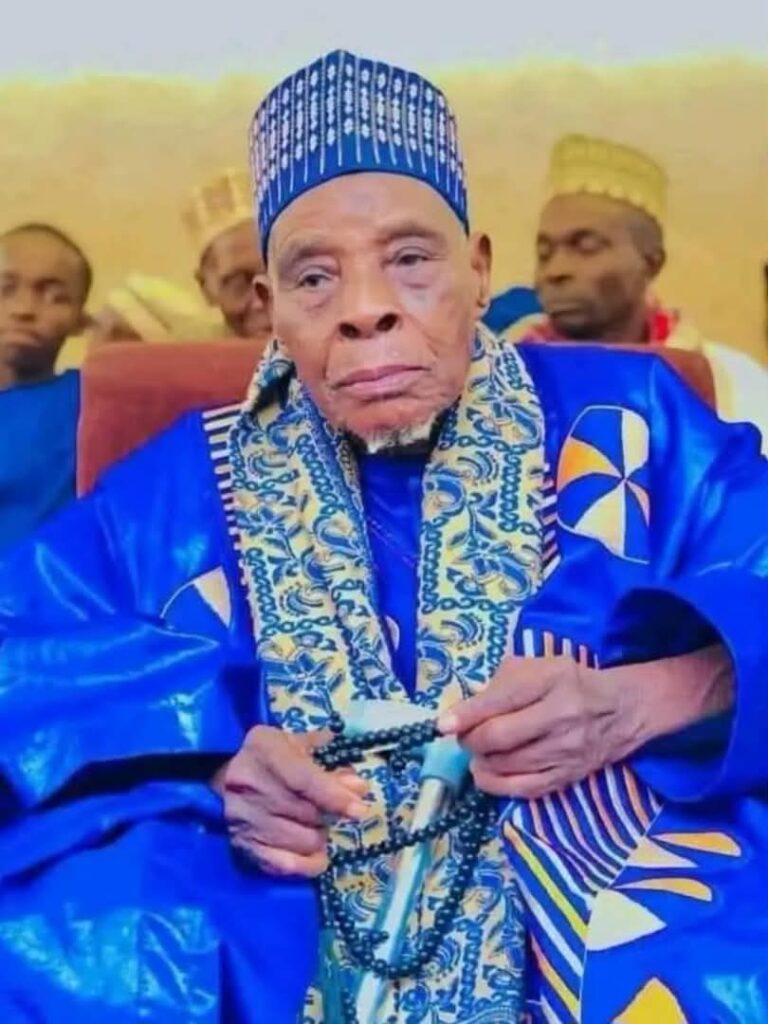
Speaker Abbas expresses sorrow over demise of Khalifa Sheikh Muhammad Gali
The Speaker of the House of Representatives, Rt. Hon. Abbas Tajudeen, Ph.D., GCON, has expressed sorrow over the passing of the renowned Islamic scholar Khalifa Sheikh Muhammad Gali bin Sheikh Yahuza Zaria.
The late Khalifa Sheikh Muhammad Gali, a distinguished Tijjaniyya leader from Zaria, tragically passed away in an accident on Thursday.
The late Islamic scholar, aged 90, passed away alongside two of his sons—Sheikh Malam Sukairaj and Alaramma Mal. Ibrahim Rayyahi—as well as a grandson, Dr. Suraj Sukairaj. They were on their way to attend a Maulud programme at Zuntu when they had an accident.
In a condolence message through his Special Adviser on Media and Publicity, Musa Abdullahi Krishi, on Saturday, the Speaker described the late scholar’s passing as both painful and heartbreaking.
Speaker Abbas recalled the life of the late Khalifa Sheikh Muhammad Gali Zaria, emphasizing that he was a devoted Muslim who devoted decades to teaching and advancing Islam throughout Nigeria and beyond.
The Speaker said the late Islamic scholar lived a life worthy of emulation, noting that he was a peacemaker, a symbol of unity, and an exemplary community leader.
Speaker Abbas offered sincere condolences to the family of the late scholar, as well as to the people of Zaria, the Tijjaniyya family, and the whole Muslim Ummah over this devastating loss.
He prayed to Allah (SWT) to have mercy on the souls of the late Khalifa Sheikh Muhammad Gali bin Sheikh Yahuza Zaria, his two sons, and his grandson, and to grant them Jannatul Firdaus as their eternal resting place.